

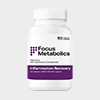
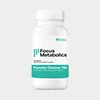

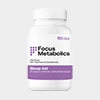









One of the biggest misconceptions surrounding cannabinoids is the belief that all cannabis-related products produce the same experience. They do not. There is a major difference between smoking THC-rich marijuana and taking non-intoxicating cannabinoids like CBDA, CBG, and CBN in an enteric-coated capsule.
At Focus Metabolics, we believe education matters, especially as more people explore cannabinoids as part of a modern wellness routine focused on balance, recovery, sleep, and metabolic support.
The Biggest Difference: THC
When most people think about marijuana, they think about the psychoactive effects associated with THC.
THC, or tetrahydrocannabinol, strongly interacts with CB1 receptors in the brain, which is why smoking marijuana can produce effects such as:
- Euphoria
- Mental fog
- Altered perception
- Increased appetite
- Drowsiness
- Anxiety in some individuals
By contrast, cannabinoids like CBDA, CBG, and many hemp-derived formulations are typically designed to contain little or no THC.
That means they generally do not create the intoxicating “high” commonly associated with marijuana.
What Are CBDA, CBG, and CBN?
CBDA (Cannabidiolic Acid)
CBDA is the raw, acidic precursor to CBD found naturally in hemp before heating occurs.
Researchers are increasingly studying CBDA for its potential role in:
- Healthy inflammatory response
- Digestive and gut support
- General wellness balance
Importantly, CBDA is non-intoxicating and does not typically produce psychoactive effects.
CBG (Cannabigerol)
Often referred to as the “mother cannabinoid,” CBG is the precursor from which other cannabinoids are formed in the plant.
CBG is commonly explored for wellness goals related to:
- Focus
- Balance
- Nervous system support
- Daily recovery
Like CBDA, CBG is not generally associated with a marijuana-like high.
CBN (Cannabinol)
CBN is often included in formulations designed for evening or relaxation support.
While some people describe CBN as calming or mildly sedating, it is considered significantly less intoxicating than THC.
Why Enteric-Coated Capsules Matter
An enteric-coated capsule is designed to bypass stomach acid and dissolve farther down in the digestive tract.
This type of delivery may help:
- Protect sensitive cannabinoids from stomach degradation
- Improve ingredient stability
- Reduce stomach irritation
- Support targeted intestinal absorption
For some cannabinoid formulations, enteric coating is preferred because it allows compounds to reach the intestines before breaking down, potentially improving consistency and absorption.
Why Oral Cannabinoids Feel Different Than Smoking Marijuana
The experience differs for two major reasons:
- Minimal or no THC
- A completely different delivery method
When marijuana is smoked:
- THC enters the bloodstream rapidly through the lungs
- Effects are felt within minutes
- Psychoactive effects are common
When cannabinoids are taken orally in capsule form:
- Absorption is slower and more gradual
- There is no rapid lung-to-brain delivery
- Products with little or no THC generally do not create euphoric intoxication
That does not necessarily mean people feel nothing.
Some individuals report feeling:
- More balanced
- More relaxed
- Better rested
- More physically recovered
But that experience is fundamentally different from being “high.”
Quality and Formulation Matter
Not all cannabinoid products are created equally.
Factors that can influence experience and tolerability include:
- Cannabinoid concentration
- Product purity
- Third-party lab testing
- THC contamination
- Individual sensitivity
- Medication interactions
This is why high-quality sourcing, proper formulation, and transparent testing standards are essential, especially for oral cannabinoid supplements.
A More Modern Approach to Wellness
As cannabinoid research continues to evolve, more people are exploring non-intoxicating cannabinoids as part of a broader wellness strategy focused on recovery, balance, sleep, and metabolic support.
The important distinction is this:
Taking CBDA, CBG, and CBN in an enteric-coated capsule is not the same experience as smoking THC-rich marijuana.
The formulation, cannabinoid profile, absorption method, and intended wellness goals are entirely different.
At Focus Metabolics, our focus is supporting wellness through thoughtful, science-informed formulations designed for modern lifestyles, without the intoxication commonly associated with traditional marijuana use.
Disclaimer: This article is for educational purposes only and is not medical advice. Cannabinoid research is ongoing, and individual experiences may vary. Always consult a qualified healthcare professional before starting any supplement regimen.